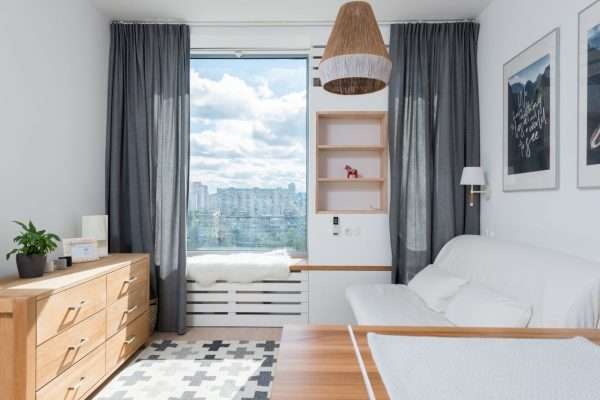
That dusty attic has more potential than storage boxes! See how the right upgrades turn it into a guest room that feels comfortable from the first night.
An unused attic has plenty of potential, especially when overnight guests currently end up on the sofa. Still, putting a bed upstairs does not automatically create a welcoming place to sleep. Comfort deserves as much attention as decorating!
If you want to turn your attic into a comfortable guest room, think about how the room feels when they arrive after a long drive. Your guest should have enough privacy to unwind and a temperature that makes sleep easy. Once those basics work, the fun design choices can start!
Make Sure the Space Works as a Bedroom
Before shopping for bedding, take a closer look at the attic itself. Start with local requirements for finished living space. Check the ceiling height first, since many attics lose usable headroom near the roofline. Next, consider safe access, especially if the current staircase feels narrow or steep.
This early homework protects the rest of your investment! There is little value in creating a beautiful room if the basic layout needs major changes afterward.
Get the Temperature Under Control First
Attics heat up quickly because they sit directly beneath the roof. On a sunny summer afternoon, an unfinished attic sometimes feels completely different from the rooms downstairs. That temperature difference will matter to overnight guests!
Before choosing furniture, spend time upstairs at different times of day. Notice when the room starts feeling warm. Check whether existing heating or cooling reaches the space effectively. If the attic already has insulation, inspect its condition before assuming it still performs well.
Give Hot Air Somewhere To Go
A well-designed attic needs airflow that works with the roofing system, not against it. Blocked vents can trap heat overhead, making the finished room harder to cool.
As you plan the project, look for practical ways to boost your attic ventilation and efficiency without interfering with insulation. A roofing or HVAC professional should review the setup if you are unsure how the current system moves air. Your future guests will appreciate a comfortable night far more than a trendy throw pillow.
Work With the Sloped Ceilings
Sloped ceilings give attic rooms character, but they also change where furniture belongs. Instead of fighting the lowest parts of the room, give them jobs that do not require much headroom. A low dresser fits naturally beneath a slope. Built-in drawers also use awkward wall space well!
Keep the tallest section of the attic available for walking. Place the bed where someone can get up without ducking around a beam.
Before buying large furniture, outline each piece on the floor with painter’s tape. This simple test shows whether the layout feels comfortable before you wrestle a dresser up the stairs.
Choose a Bed That Fits the Room
A guest room needs a comfortable bed, but bigger does not always mean better upstairs. Start with the room’s proportions. A smaller bed often makes the room feel more relaxed because guests still have somewhere to put their bags. Think about delivery too. Measure the stairwell before ordering a bulky bed frame. Tight turns can create frustrating surprises when the furniture arrives.
Once the bed fits comfortably, build the rest of the room around it. You do not need to fill every corner! Guests usually appreciate open space more than another decorative chair they never use.
Make the Room Feel Fresh
Because attics can collect dust for years before homeowners renovate them, give the space a thorough cleaning before moving furniture upstairs. Pay close attention to old insulation debris around finished areas. Also inspect the room for signs of moisture before covering surfaces with new finishes.
If you already take steps to reduce allergens in your bedroom, bring the same habits upstairs! Regular vacuuming helps keep the guest room fresh even when nobody has stayed there for several weeks.
You want guests to walk into a room that feels ready for them, not into overflow storage with a bed tucked inside.
Give Guests a Little Privacy
An attic already feels separate from the busiest parts of a home, which makes it a natural guest space. Still, a few thoughtful choices help visitors feel more comfortable. Start with the door. If sound travels easily downstairs, improve the door seal. Rugs also soften footsteps on hard flooring.
Then consider what happens outside the room. If family members regularly enter the attic for stored items, move those belongings somewhere else before guests arrive. That small sense of separation helps the attic feel like a real bedroom rather than a temporary sleeping spot.
Add Storage Without Filling Every Corner
Guests do not need a full walk-in closet for a weekend stay. They do need somewhere to put their things. Not to worry, attic architecture gives you plenty of opportunities for compact storage!
Low built-ins fit beneath roof slopes without stealing useful headroom. A few hooks near the door also help guests keep jackets off the floor. If the room has a small closet, leave part of it empty. Avoid using every shelf for your own seasonal storage. Remember, a guest room should still feel like a room first.
Finish With Details Guests Will Notice
Once the larger renovations are done, focus on the parts that make the room feel inviting. Start with the bedside area. Guests typically appreciate easy access to a phone outlet. If the nearest outlet sits behind the bed, deal with the problem before the first overnight visit.
Then spend a night in the room yourself! You will notice details that look perfectly fine during the day but become annoying after bedtime. The room might feel warmer than expected. Fix those issues based on what you experienced overnight. This test helps you decide what the room truly needs.
Create a Room People Want To Stay In
You do not need a huge attic or an expensive renovation to give overnight visitors a comfortable place of their own. The best results come from solving the room’s practical problems before focusing on style.
As you turn your attic into a comfortable guest room, keep thinking about how someone will feel after they close the door for the night. A good guest space should feel private and easy to settle into.
Once you get those details right, the attic stops feeling like leftover square footage. It becomes a part of the house people look forward to using!