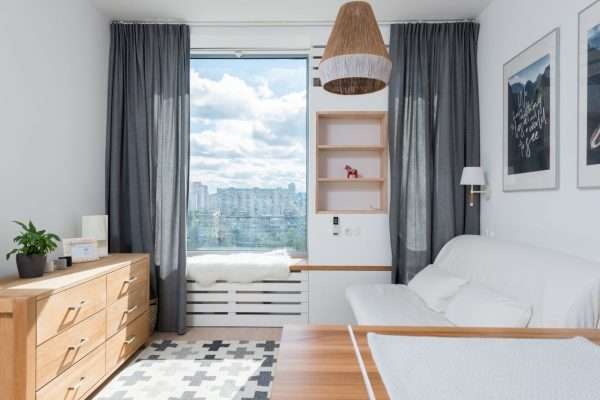
Do you know there’s a science behind rearranging your space seasonally? If you’ve ever felt renewed after moving the couch or table, this might be why.
Rearranging your space with the seasons does more than refresh your surroundings. It taps into psychological and environmental cues that influence mood, productivity, and creativity. Your brain responds to changes in light and color in ways that shape how you feel and function.
You create a space that supports your goals and mindset when you adjust your environment intentionally. Let’s explore the science behind rearranging your space seasonally.
How Environment Shapes Your Mind
Your surroundings directly affect your mental state and energy levels. Natural light, open space, and color all influence how your brain processes information. Brighter, more open layouts can boost focus and motivation during active seasons like spring and summer. Cozier arrangements with softer lighting can encourage relaxation during fall and winter.
Neuroscience shows that novelty stimulates the brain and improves cognitive engagement. When you rearrange your space, you introduce new visual patterns that capture attention. This simple change can break monotony and spark creativity. You give your mind a fresh perspective without needing a complete overhaul.
Seasonal Shifts and Sensory Input
Each season brings different sensory experiences that impact how you interact with your home. Warmer months encourage airflow, lighter fabrics, and open layouts that feel breathable. Cooler months invite layered textures, warmer tones, and more enclosed arrangements. These changes align your environment with your physical and emotional needs.
Your senses play a key role in how you perceive comfort. Light, temperature, and texture all work together to create balance. You will feel more at ease and grounded when your space matches the season and how you feel. Environmental alignment helps you stay present and connected to your surroundings.
Layout Changes That Boost Functionality
Rearranging furniture can improve how you move and use your space every day. You can create clearer pathways, better lighting access, and more purposeful zones. These adjustments reduce friction in your routine and make daily tasks feel easier. A well-planned layout supports productivity and relaxation.
It helps to plan a living room layout before buying furniture so that you can adapt your space as seasons change. Flexible design choices allow you to shift arrangements without stress. You avoid clutter and maximize functionality with intentional planning. This approach keeps your home dynamic and adaptable.
Simple Ways To Refresh Your Space
You don’t need a full redesign to benefit from seasonal rearranging. Small, intentional changes can create meaningful results. Focus on adjustments that align with your needs and lifestyle. Use these ideas to get started:
- Rotate furniture to improve light and flow.
- Swap textiles to match seasonal temperatures.
- Declutter surfaces to create mental clarity.
- Introduce seasonal decor for visual interest.
These steps help you stay connected to your environment without overwhelming effort. You create a rhythm of renewal that supports creativity and balance.
Why Seasonal Rearranging Matters
Rearranging your space seasonally supports mental clarity and creative growth. It allows you to respond to changing needs without losing a sense of stability. You create a home that evolves with you instead of staying static. This adaptability encourages a more intentional and fulfilling lifestyle.
Your space should work with you, not against you. When you understand the science behind these changes, you can design with purpose and deep intention. Seasonal rearranging becomes more than a chore and turns into a powerful tool. You shape an environment that inspires you to live and create at your best.