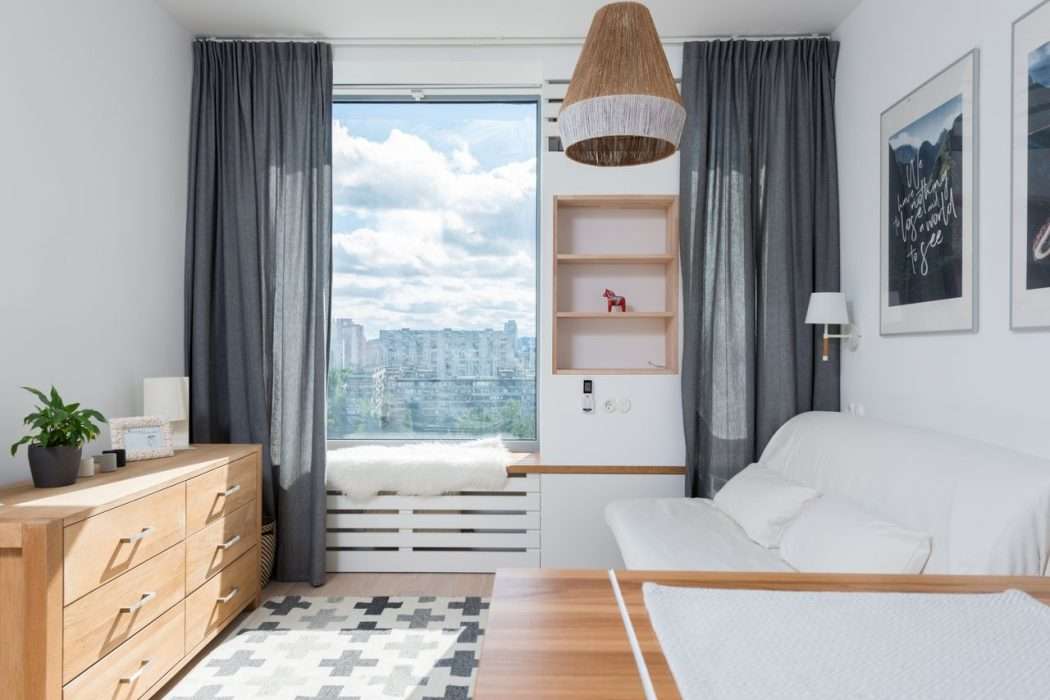
Small rooms can feel surprisingly comfortable when every design choice supports the space instead of fighting it. Limited square footage does not require limited personality, either. A thoughtful layout, well-scaled furniture, and a few visual tricks can turn a cramped room into a place that feels inviting and functional.
The goal isn’t to squeeze as much furniture as possible into every available corner. Instead, successful small-room design gives each piece a purpose while leaving enough breathing room for everyday life.
With a little creativity, even an awkward bedroom or compact living room can feel intentional. Follow these interior design tips for making a small room work for your needs.
Start With How You Actually Use the Room
Before buying furniture or choosing paint, think about what the room needs to accomplish. A small bedroom may also serve as a workspace, while a compact living room might need to accommodate movie nights, reading, and occasional guests. Let your daily routine guide the layout.
Consider which activities matter most and dedicate the best areas to them. If you work from home every day, for example, a usable desk deserves more attention than an extra chair that rarely serves anyone. Prioritizing real needs prevents unnecessary furniture from taking over precious floor space.
It also helps to notice how you naturally move through the room. Keep frequently traveled paths open and avoid placing bulky furniture near entrances. A comfortable traffic pattern can make a modest room feel significantly larger because you no longer need to weave around obstacles.
Choose Furniture That Matches the Scale
Oversized furniture can quickly dominate a small room, but too many tiny pieces can create another problem. Too many undersized items often make the space look cluttered and disconnected. Instead, choose a few appropriately scaled pieces that provide enough function without overwhelming the room.
Pay particular attention to furniture depth. A streamlined sofa with a shallower seat may save valuable inches while still providing plenty of comfort. Nightstands, desks, and storage cabinets can also offer useful surfaces without extending too far into walkways.
Before purchasing anything, measure the room and map out the furniture dimensions. Painter’s tape can help you visualize how much floor area a new piece will occupy. This simple exercise often reveals whether that beautiful armchair will actually complement the space or consume half of it.
Make Furniture Work Harder
Small spaces benefit from pieces that handle more than one responsibility. An ottoman with interior storage can hold blankets while providing a place to rest your feet. A compact dining table can double as a workspace when you need somewhere comfortable to open a laptop.
Bedrooms and multipurpose rooms offer even more opportunities for flexible furniture. If you frequently host overnight guests but cannot dedicate an entire room to them, consider whether wall beds or sofa beds are right for you as a starting point for comparing space-saving sleep solutions. The better choice depends on how you use the room during the day.
A wall bed frees up substantial floor space when you tuck it away, while a sofa bed gives the room permanent seating. Neither option works for everyone, so consider comfort, available wall space, and how often guests stay overnight. Furniture should solve your specific space problem, not promise versatility.
Use Vertical Space to Your Advantage
When floor space runs short, look upward. Walls often provide a surprising amount of unused room for storage and display. Tall bookcases, floating shelves, and wall-mounted cabinets can increase functionality without crowding the areas where people need to walk.
Vertical design can also influence how tall a room feels. Hanging curtains closer to the ceiling and allowing them to extend toward the floor draws the eye upward. Tall decorative elements create a similar effect without requiring major renovations.
Create Storage Without Creating Clutter
A small room can become chaotic quickly when everyday objects lack designated homes. Smart storage keeps frequently used belongings accessible without leaving everything in sight. The trick is to find opportunities that don’t take up extra floor space.
Look around the room for overlooked storage areas, such as:
Space underneath a bed for low-profile containers
Wall space above a desk for shelves or cabinets
The back of a door for slim organizers
Empty corners that can accommodate vertical storage
Furniture with drawers, shelves, or hidden compartments
Closed storage can prove especially helpful when a room contains many small objects. Open shelving looks beautiful when thoughtfully styled, but a collection of cords, paperwork, chargers, and miscellaneous items can make shelves feel busy. Cabinets and drawers hide those necessities while maintaining a calmer appearance.
Let Light Travel Through the Room
Natural light can transform the way a small room feels. Heavy window treatments or furniture placed directly in front of windows can reduce that advantage. Keep windows as unobstructed as practical so daylight can spread throughout the space.
Mirrors can help amplify available light when you position them thoughtfully. A mirror near or across from a window can reflect brightness into darker sections of the room. You do not need a wall-sized mirror to create an effect; even a medium decorative mirror can add depth.
Artificial lighting matters after sunset as well. Instead of relying on a single ceiling fixture, add light where the room needs it most. A wall-mounted reading lamp or compact table lamp can add warmth without taking up much space.
Keep the Color Palette Connected
Light colors often make small rooms feel airy, but that does not mean every compact space needs white walls and beige furniture. Richer shades can work beautifully when the overall palette feels cohesive. Consistency matters more than following a rigid color rule.
Try repeating a few colors throughout the room rather than introducing a new shade with every object. When furniture and decorative accents relate visually, your eye moves smoothly across the space. That continuity can make the room feel calmer and more organized.
Make a Small Bedroom Feel Comfortable
A small bedroom should feel restful, not packed with furniture. Start with the bed, since it usually takes up the most space, then choose additional pieces that truly support your routine. You may discover that a narrow shelf works better than a traditional nightstand.
Many cozy minimalist bedroom décor ideas focus on combining visual simplicity with warmth. Soft bedding, an inviting rug, and carefully chosen artwork can add character without filling every surface. Minimalism works best when it feels comfortable, not empty.
Avoid assuming that coziness requires lots of decorative objects. Texture can create warmth with less visual clutter. A woven blanket or upholstered headboard adds softness while maintaining a streamlined look that helps a compact bedroom feel more spacious.
Edit the Room as Your Needs Change
Small-room design rarely succeeds as a one-time project. Your routines change, and furniture that once made sense may eventually stop serving you. Periodically reassessing the space helps prevent clutter from slowly taking control.
Pay attention to anything you regularly move out of the way or struggle to use. Those little frustrations often reveal layout problems. Moving a table several inches or replacing an unnecessary storage unit can sometimes improve the room more than an expensive redesign.
A well-designed small room does not need to imitate a much larger one. It simply needs to make the space you have work beautifully. When function and comfort guide your choices, limited square footage can become an opportunity for more thoughtful, creative design.