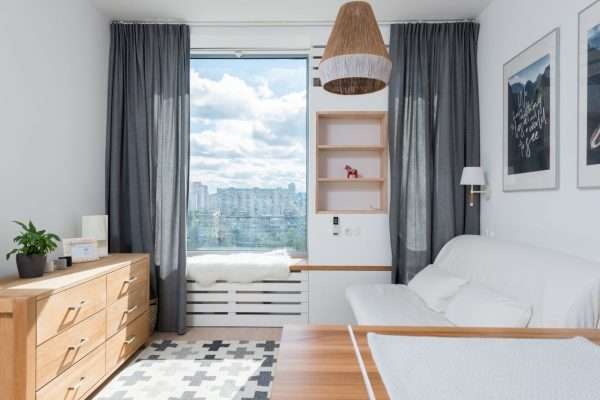
The architectural landscape in 2025 is shaping into something even more dynamic: using technology, sustainability, and aesthetic creativity. Modern architects harmonize functional spaces with avant-garde and progressive materials to redefine the built environment. This article comprises six transformative trends in the industry, discussing how architecture is heading into the future.
Smart Buildings Leading the Way
Smart buildings are no longer futuristic or outside an architect’s toolbox; instead, they now stand as a norm in modern design. An integration of Internet of Things (IoT) devices in these structures enhances energy efficiency, security, and comfort. In these buildings, automated systems regulate light, temperature, energy consumption, and everything else. Thus, there is minimal environmental impact and maximum user comfort. Besides, smart buildings will also branch out into predictive maintenance, where malfunctions are expected and detected before the problems become very difficult. This strategy saves a lot of money and is likely to extend the life of building systems. Moreover, these innovations represent a very advanced world where technology and daily living become one and even reach unbelievable personalization and adaptability.
Emphasis on Biophilic Design
Biophilic design aims at reconnecting people with nature by integrating natural elements into architectural spaces. This trend puts the spotlight on natural lighting, ventilation, and greenery that work for nurturing mental well-being and productivity. From indoor gardens down to living walls, biophilic designs turn urban spaces into healthier and more inspiring atmospheres. Architects are attempting to incorporate watery features and open-air terraces that evoke relaxation and inspire creativity into their designs. In addition, the use of organic shapes and materials adds sensuality to places and makes them more lively. As the human population increases in large numbers all over the world, this design philosophy offers one hopeful way in which the alienation induced between urban existence and nature will be mended.
The Rise of Timeless and Durable Materials

Timeless materials are making a big comeback, and durability with sustainability is the focus. Stainless steel, known for its longevity and resistance to wear, is a prime choice for both structural and decorative purposes. Architects increasingly prioritize materials that withstand environmental pressures while maintaining aesthetic appeal. Finding reputable stainless steel suppliers ensures access to high-quality resources that meet the demands of modern construction. Besides steel, reclaimed wood and natural stone are also being used in designs for creating structures that age gracefully and require very little upkeep. These materials help not only to enhance the look of the building but also assist in minimizing waste by facilitating reuse and long service life. Designers are experimenting with new composite materials that offer the look of tradition with modern performance attributes.
Flexible and Multi-Functional Spaces
The demand for adaptable spaces has grown exponentially, driven by the rise of remote work and dynamic lifestyles. Architects design homes and offices with modular furniture and reconfigurable layouts that guarantee maximum utility and versatility. Such a trend shows that spaces have to accommodate a range of activities, from professional work to leisure, in such a way that transitions between these functions are smooth. Sliding walls, foldable furniture, and hidden storage further add to the functionality. Such designs really help people make the most of small spaces, especially in highly populated cities. By infusing flexibility, designers are creating spaces that grow with the occupants.
Sustainable and Net-Zero Designs

Sustainability is still at the fore of architectural practice and increasingly net-zero energy building design. In architectural design, it adopts various new techniques to cut down carbon footprints, such as the use of solar panels, geothermal heating, and insulation. The new designs are in line with global trends where most countries engage themselves in combating climate change. These sustainable designs are very attractive to behold. Other such features include the inclusion of water-conserving systems that are combined with rainwater harvesting and greywater recycling. Green roofs and facades also promote biodiversity and mitigate the urban heat island effect. As more buildings are in demand, creative solutions have been combining environmental stewardship with aesthetic innovation.
The Integration of Advanced Technology
Technology has become the driving force for modern architecture, changing both the design and construction process. Virtual and augmented reality tools let architects visualize and fine-tune a project with unprecedented accuracy. Besides, 3D printing is making complex components easier to create while wasting less material and taking less time in production. Advanced robotics and automation also apply to building construction with unbelievable speed and exactitude. Such technologies allow designers to experiment with complexity in designs that had been unimaginable earlier. The digital twin models of the structure are further used to monitor and optimize the buildings’ performance in real time.
In conclusion, these defining architecture trends of 2025 strike a thoughtfully balanced blend of innovation, functionality, and sustainability. They help architects create spaces that are attuned to the evolving needs of society. As the industry evolves, these trends will inspire further breakthroughs in creating a built environment that is both beautiful and purposeful.
Source